








Environmental Art (Eco Art / Bio Art); A Novel Approach in Contemporary Art
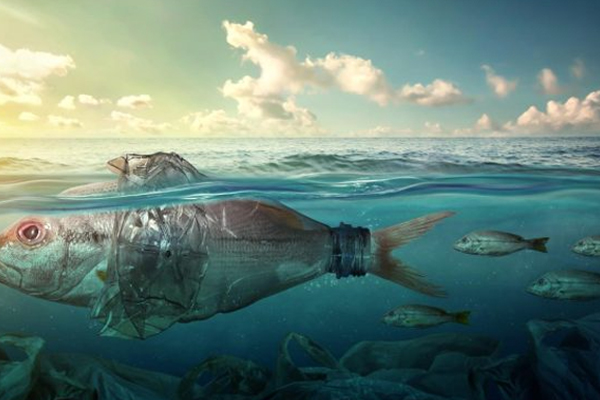
Environmental Art (Eco Art / Bio Art); A Novel Approach in Contemporary Art
This article has been prepared by the Sohreh-e Honar Iran website and made available to you users to introduce one of the most important contemporary art movements: Environmental Art (Eco Art / Bio Art). In today’s world, where environmental concerns have become increasingly important, many artists, by utilizing natural, recycled, and even biological materials, strive to turn their works into a platform for awareness and social change. This branch of art has not only found a special place in the visual arts but has also created a bridge between art, science, and the environment.
History and Roots
Environmental art finds its roots in the art movements of the 1960s and 1970s, particularly Land Art and the works of artists like Robert Smithson and Andy Goldsworthy. These artists, working with soil, stone, plants, and the natural environment, attempted to establish a fresh connection between humans and nature. In subsequent decades, with the expansion of environmental concerns and issues such as climate change and pollution, this artistic approach moved towards Bio Art, in which living elements such as bacteria, plants, or fungi are used to create artworks.
Features and Nature of the Technique/Material
The main feature of Environmental Art is the emphasis on using natural materials, recycled substances, or biological elements. In these works, eternal permanence is less important, and often transience is considered part of the work’s identity. Artists in this approach use the following materials:
- Soil, stone, and plants
- Water, light, and natural energies
- Recycled materials such as plastic and metal
- Microorganisms and living elements in Bio Art
This technique focuses on the interaction of the work with the environment and its environmental message, and is often executed in the form of public projects or environmental installations.
Application in Contemporary Art
Today, environmental art has found an important place in contemporary arts and global exhibitions. Many galleries and museums have dedicated a special section to Eco Art to highlight the relationship between art and environmental sustainability. Also, in urban projects and interactive works, this technique is used to draw attention to environmental crises such as global warming, deforestation, and water pollution. This type of art has created a bridge between artists, scientists, and environmental activists, and its works can have both aesthetic and educational aspects.

Benefits and Challenges
Benefits:
- Increasing public awareness about environmental issues.
- Use of natural and organic materials.
- Creating a direct connection between art and society.
- Possibility of collaboration between artists and scientific researchers.
Challenges:
- The temporary and transient nature of many works.
- Difficulty in long-term maintenance and display.
- Need for interdisciplinary knowledge (art, science, and environment).
- Sometimes limitations in accepting works in the commercial art market.
Summary Information Table
Practical Tips for Artists
- Using natural and recycled materials can reduce the production cost of the work while creating high conceptual value.
- It is better for artists to consult with environmental experts or biologists before creating biological works.
- Combining modern technologies such as lighting, AR, or virtual reality with Eco Art can help attract more audiences.
- Providing educational explanations alongside the works increases the audience’s understanding of the environmental message.
Conclusion
Environmental Art (Eco Art / Bio Art) is one of the novel and inspiring movements in the world of contemporary art that has managed to create a bond between artistic creativity and environmental concerns. This approach calls upon artists to social responsibility and provides a platform for a new and different experience. Ultimately, familiarity with this artistic branch helps us have a better understanding of the relationship between art, nature, and society. As you read in this article, Environmental Art (Eco Art / Bio Art) is not just an artistic method, but a responsible approach towards a more sustainable future.