






Alcohol Ink; The New Trend of Abstract Paintings
Alcohol Ink; The New Trend of Abstract Paintings
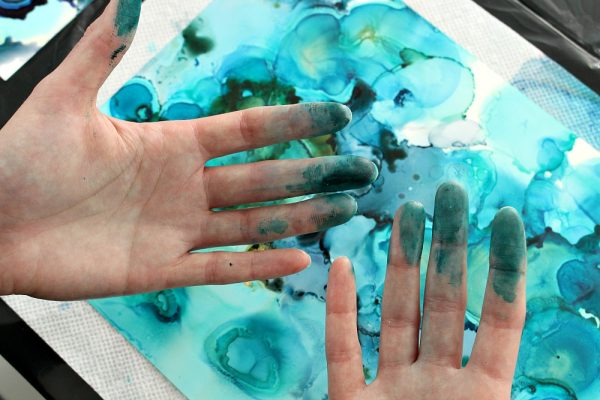
This article has been prepared by the Sohreh-e Honar Iran website and made available to you, dear users. In recent years, the use of Alcohol Ink has rapidly gained popularity as one of the innovative materials in contemporary art, especially in abstract paintings. With its transparent, fluid colors and unique blendability, alcohol ink has opened a new path for artists to express emotions and create striking visual effects. This material is not only a modern artistic tool but is also recognized as a new trend in visual arts.
History and Roots
Alcohol inks were initially created as colors for decorative work, calligraphy, and designing on non-porous surfaces such as glass and metal. Over time, artists discovered that these inks could also create unique effects on canvas and special papers. Since the late 2010s, the use of alcohol ink in modern and abstract paintings has seen significant growth, becoming one of the popular techniques among contemporary artists.
Features and Nature of Alcohol Ink Technique
- High Fluidity: Alcohol ink is very fluid and moves easily across the surface.
- Color Transparency: The colors are bright, vivid, and simultaneously transparent.
- Fast Drying: Due to the rapid evaporation of alcohol, these inks dry in a short period.
- Layering Possibility: Colors can be placed on top of each other to create multi-layered effects.
- Compatibility with Various Tools: Wind, brushes, droppers, or even heat can be used to direct the colors.
Application in Contemporary Art
Due to its specific features, alcohol ink is used in various artistic fields:
- Modern Abstract Paintings: Creating fluid and unpredictable designs.
- Designing on Glass and Metal: Creating luminous and glossy effects.
- Creating Decorative and Decorative Works: Wall paintings, decorative vessels, and art objects.
- Combination with Mixed Media: Use alongside resin, acrylic, or other inks to increase visual appeal.

Benefits and Challenges
Benefits:
- Creating unique and unrepeatable effects.
- Suitable for expressing emotions in abstract art.
- High color diversity and ease of mixing.
- Fast drying and high efficiency.
Challenges:
- Need for non-porous surfaces or special papers.
- High sensitivity to sunlight and gradual fading of colors.
- Need for varnish or a protective coating for greater durability.
- Difficulty in controlling color movement due to high fluidity.
Summary Information Table
Practical Tips for Artists
- Always use Yupo papers or non-porous surfaces for the best results.
- Use compressed air or a hairdryer to control the movement of the color.
- Cover the final works with a layer of resin or varnish to increase durability.
- Use proper ventilation when working with alcohol ink, as its smell is strong.
- Combining light and dark colors can add more depth and dimension to the work.
Conclusion
Alcohol Ink has managed to secure a special place among contemporary artists, especially in abstract paintings, as one of the innovative materials in the art world. With its transparent colors, unique fluidity, and the possibility of creating unique effects, this technique opens a fresh window towards creativity. Although there are challenges such as sensitivity to light or the need for protection, by observing principles and appropriate techniques, durable works can be created. Undoubtedly, Alcohol Ink; The New Trend of Abstract Paintings will continue to be one of the most popular and creative materials in the coming years.