






Alireza Ghorbani: A Distinguished Singer of Music
Alireza Ghorbani: A Distinguished Singer of Music
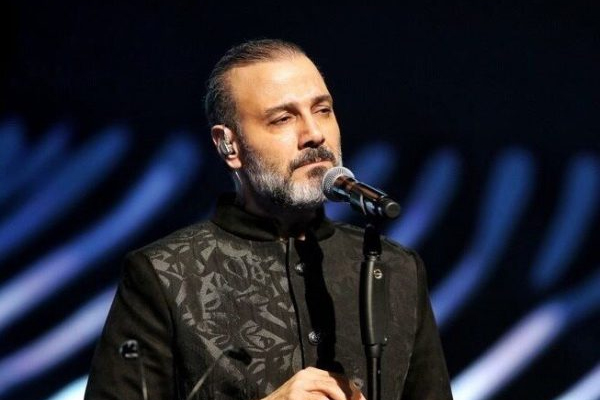
Alireza Ghorbani (born January 1, 1973) is one of the most prominent singers of traditional and fusion music in Iran. This article examines his biography, educational path, vocal style, significant works, international performances, and his role in introducing Iranian music to contemporary audiences in detail.
Alireza Ghorbani is a leading figure in Iranian traditional music who simultaneously possesses deep roots in vocal tradition and a curiosity and desire for cross-cultural and fusion experiences. His presence on the Iranian music scene over the past two decades, along with collaborations with international orchestras and projects, has caused his voice to gain special popularity and credibility among both traditional audiences and the younger generation.
Biography and Educational Path

Birth and the Beginning of Vocal Training Alireza Ghorbani was born on January 1, 1973 (10 Dey 1351) in Tehran. He began learning singing at the age of approximately 12, and from those early years, he focused on the Radif (traditional repertoire) and authentic techniques of Iranian singing in his educational curriculum.
Soloist of the National Orchestra and Professional Establishment
At the age of 27, Ghorbani became the soloist of the Iranian National Orchestra; a role that solidified his position in the realm of traditional music and provided extensive opportunities for performances and recordings. Around the age of 30, he played roles in the field of singing that served as a precursor to the Iranian song.
Recorded Productions
He has released 19 albums to date in Iran and Europe; in addition, he has participated in several multicultural international projects and world festivals, and has been active in projects involving countries such as France, India, and Mali.
Artistic Style and Vocal Techniques
Roots in Radif and Technical Mastery
The technical core of Alireza Ghorbani’s performance is based on the Radif of the Dastgah; that is, he benefits from the training of Radifs, Gushehs (melodic modules), and traditional singing techniques, and has precise control over Tahrirs (ornamentations), Gusheh-khani (singing of modules), and breath management. This technical foundation allows him to perform authentically within traditional frameworks while being active and effective in modern and fusion projects.
Sensitivity to Poetry and Literary Expression
One of the distinct features of Ghorbani’s performance is his special sensitivity to poetry and meter; the precise selection of meter, emphasis on the meaning of the poem, and correct pronunciation of words are aspects that elevate his performances beyond merely singing notes and lend a literary-audio dimension to his works.
Flexibility and Working in Fusion Spaces
In addition to performing with large orchestras (such as the National Orchestra), Ghorbani is active in small ensembles and fusion projects. He has participated in projects that blend Western instrumentation and modern harmony with the language of Iranian singing; this approach has made his works attractive to diverse audiences both inside and outside the country.
Significant Works

A Selection of Important Albums and Collections
- Sing with Me (Ba Man Bekhan)
- The Legend of Your Eyes (Afsaneh Cheshmanat)
- Forough (Light)
- The Fairy-like Daughter (Dokht Parivar)
- Secret — Change (Raz — Avaz)
- From Cultivation and Soil (Az Kasht va Khak)
- English Bag (Kif-e Engilisi)
- The Tenth Night (Shab-e Dahom) — Related to the series soundtrack
- On the Door in the Sun (Ru-ye Dar dar Aftab)
- Soodayi
- I Fell in Love with Your Eyes (Man Ashegh-e Cheshmat Shodam)
- Raindrops (Ghatreh-haye Baran)
- I Left and Packed for the Journey (Raftam va Bar-e Safar Bastam)
- The song “Swallows of Sigh” (Ham-avaz-e “Parastu-haye Ah”)
Music for Cinema and Television
Ghorbani has collaborated on several cinematic and television projects and has performed some well-known pieces for series and movies. Among the notable works, one can mention his collaborations on pieces related to series such as “The Tenth Night” (Shab-e Dahom), “Zero Degree Orbit” (Madar-e Sefreh Darajeh), “Kimya”, and “Aghigh”, which allowed his voice to reach a wider spectrum of audiences.
Performances, Tours, and International Presence
National Performances and Major Domestic Events
Ghorbani has held numerous performances in important halls in Iran and has performed concerts with the National Orchestra and traditional groups. One of the important events that was widely reflected in official news was his performance at the historical site of Persepolis, a historical performance that was registered as a prominent cultural event.
Global Presence
Performances in prestigious European and American halls such as Cadogan Hall and Barbican (London), Cologne Philharmonic Hall, Vienna Concert House, Théâtre de la Ville and Alhambra in Paris, Tonhalle in Düsseldorf, Vancouver Opera House, and other prestigious halls. He is regularly invited to festivals and major halls around the world and is recognized as one of the most active traditional singers outside of Iran.
Tours and Regular Performance Programs
In Ghorbani’s official performance calendar, international and domestic tours and concerts are planned annually, indicating his regular and planned presence in the performance arena.
“To learn more about Alireza Ghorbani’s works and latest activities, please refer to [his official website].”
Collaborations and International Projects
Ghorbani has participated in multicultural projects; among them are projects with international titles and structures performed with various European and non-European artists and orchestras. Among the projects mentioned in official sources, names such as “Le Rhythm De La Parole” and “Souffles du Monde” appear. Also, collaborations with singers and artists from other countries (including some collaborations with artists from North Africa and the Middle East) demonstrate his desire to build cultural bridges and experience intercultural exchanges.
Artistic Status
Critical Reflection
Critics and official reports highlight two main characteristics about Ghorbani: 1) Technical mastery and strong Radif foundation, and 2) Sensitivity to poetry and literary expression. These two pillars have caused his performances to be welcomed by both lovers of authentic Iranian music and listeners looking for innovative forms of fusion.
International Standing
Continuous presence in prestigious halls and festivals and performing multicultural projects have introduced Ghorbani as one of the most active and prominent singers of Iranian traditional music in the international arena.
Conclusion
Alireza Ghorbani is a prime example of an artist who has been able to maintain the strong technical roots of the Iranian vocal Radif while, with an open and curious look towards fusion experiences, present Iranian music to wider audiences on a global scale. His prolific discography, performances in prestigious world halls and festivals, and his special sensitivity to poetry and expression have solidified his place as one of the enduring voices of contemporary traditional and fusion music.