








UV Printing and Fluorescent Inks; Creating Works in Light and Darkness in Contemporary Art
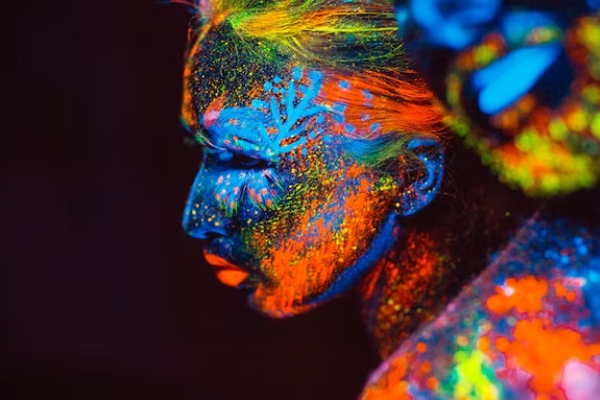
UV Printing and Fluorescent Inks; Creating Works in Light and Darkness in Contemporary Art
This article has been prepared by the Sohreh-e Honar Iran website and made available to you users to introduce one of the most fascinating modern techniques in visual arts: UV Printing and Fluorescent Inks. These techniques make it possible to create amazing artworks that take on a unique appearance under different lighting conditions, creating a multi-sensory experience for the audience. In this article, you will become familiar with the history, features, applications, and practical tips of these materials and techniques.
History and Roots
UV printing, or printing with ultraviolet rays, developed from the early 1980s and was initially used in the advertising and packaging printing industries. However, over time, contemporary artists realized the unique features of this technique and utilized it to create artworks that interact with light. Simultaneously, fluorescent or Glow in the Dark inks were first produced in the 1960s and were mostly used in decorative and entertainment industries, but today they have found a special place in visual arts and digital printing.
Features and Nature of the Technique/Material
UV printing, due to the use of ultraviolet rays, allows for printing on unconventional surfaces such as metal, wood, glass, and plastic. UV inks dry quickly and have the ability to create precise details and vivid colors.
Fluorescent and glow-in-the-dark inks light up in the dark by absorbing natural or artificial light, adding a unique effect to the works. These inks can be combined with regular colors and UV printing, creating a new visual and interactive experience.
Application in Contemporary Art
- Creating multi-layered artworks that have different appearances in daylight and the darkness of night.
- Graphic design and interactive posters.
- Installations and interactive sculptures that light up with UV light.
- Use in mixed media and combination with other techniques such as acrylic and epoxy resin.

Benefits and Challenges
Benefits:
- Possibility of printing on various surfaces.
- Vivid colors and precise details.
- Creating interactive and multi-sensory works.
Challenges:
- Need for specialized equipment for UV printing.
- Sensitivity of fluorescent inks to direct light and temperature.
- Relatively high cost of raw materials.
Summary Information Table
Practical Tips for Artists
- Before starting work, check the type of surface and its compatibility with UV and fluorescent ink.
- To increase the durability of the works, use a protective coating of epoxy resin or special varnish.
- Combining fluorescent colors with regular colors creates a dynamic and modern effect.
- When designing interactive installations, consider the angle of UV light irradiation and the position of the audience.
Conclusion
The technique of UV Printing and Fluorescent Inks makes it possible to create modern and interactive works that have a different appearance in light and darkness. These techniques offer contemporary artists a unique opportunity to present their work to the audience with a multi-sensory experience. Using these materials and techniques showcases a combination of creativity, materials science, and technology in contemporary art. Studying this article helps you become familiar with the features, applications, and practical tips of UV printing and fluorescent inks, enabling you to create your works at a professional and innovative level.