






Ink Making and Color Mixing in Calligraphy; Creating Special Visual Effects with Modern and Traditional Techniques
Ink Making and Color Mixing in Calligraphy; Creating Special Visual Effects with Modern and Traditional Techniques
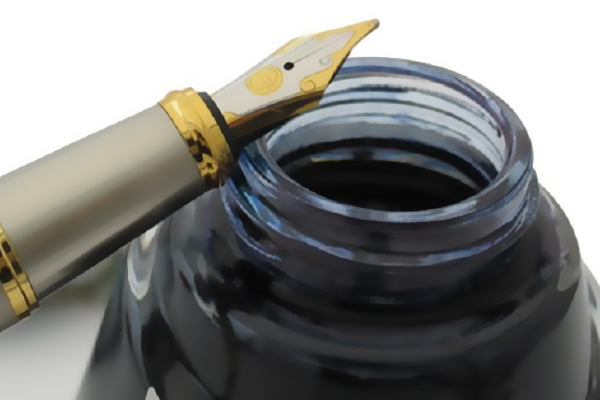
This article has been prepared by the Sohreh-e Honar Iran website and made available to you users to become familiar with Ink Making and Color Mixing Techniques in Calligraphy. The ability to prepare various inks and mix colors allows artists to create lines with special and attractive visual effects. This skill is applied in traditional scripts such as Nasta’liq, Shekasteh-Nasta’liq, and Naskh, as well as in contemporary calligraphy works, enriching the visual experience of the audience.
History and Roots
The use of ink and color in Iranian calligraphy has roots in past centuries. Traditional artists, by combining natural and mineral materials, were able to create various colors and tones that brought the lines to life and made them dynamic. In Nasta’liq and Mohaqqaq scripts, changing the color and density of the ink gave the letters a three-dimensional and rhythmic appearance. With the passage of time and the introduction of new materials and industrial colors, contemporary artists were able to employ advanced color mixing and ink making in their works, creating dazzling visual effects.
Features and Nature of the Technique/Material
- Traditional Ink Making: Using natural inks and combining them with water and gum to achieve different colors and densities.
- Color Mixing: The possibility of creating various spectrums, shading, and gradient colors by blending diverse colors.
- Modern Techniques: Using industrial, fluorescent, metallic inks and combining with other media for special effects.
These techniques allow artists to create lines with depth and diverse rhythms, enhancing the audience’s visual experience.
Application in Contemporary Art
Today, contemporary calligraphers, in addition to classical scripts, create modern and artistic paintings by mixing colors and changing ink density. This technique is also applied in decorative works, posters, and combinations with digital art and multimedia media. The use of fluorescent, metallic colors, and transparent tones results in dynamic, attractive lines with special visual effects.

Benefits and Challenges
Benefits:
- Creating diverse and attractive visual effects.
- Increasing the depth and rhythm of lines in traditional and modern calligraphy.
- Possibility of integration with modern techniques and digital art.
Challenges:
- Need for precise knowledge of colors and ink densities to prevent interference or fading of lines.
- Adapting traditional techniques with industrial materials and colors may be difficult.
- Extensive practice and experience are essential to create successful and beautiful combinations.
Summary Information Table
Practical Tips for Artists
- Experimenting with color combinations on sample paper before final execution reduces errors.
- Control the ink density to create smooth and predictable lines.
- Using fluorescent and metallic inks makes your lines stand out in different lights and angles.
- Combining traditional techniques with modern ones leads to the creation of unique and creative works.
- Continuous practice and studying the works of calligraphy masters help in better understanding the impact of color and ink.
Conclusion
In this article, we examined Ink Making and Color Mixing to Create Special Visual Effects in Calligraphy and explained the importance of these techniques in traditional and contemporary scripts. Mastering ink making and the skill of color mixing not only increases the beauty and depth of calligraphy works but also provides the possibility of creating dynamic and diverse lines and an attractive visual experience for the audience. Learning and practicing these techniques paves the way for artists to create authentic, creative, and attractive works and elevates the value of Iranian calligraphy art on a global level.