






Homayoun Shajarian; The Enduring Voice of Traditional and Contemporary Iranian Music
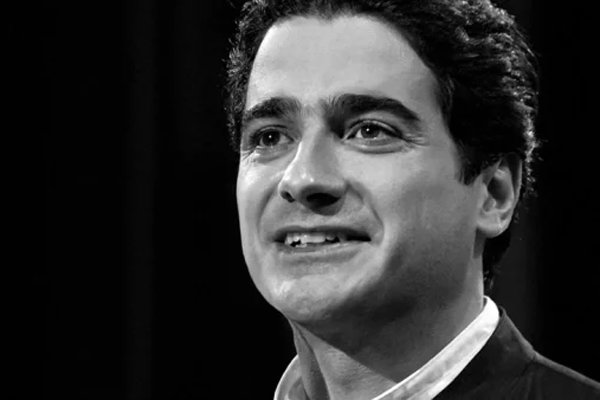
Homayoun Shajarian; The Enduring Voice of Traditional and Contemporary Iranian Music
Introduction
Homayoun Shajarian, the son of the master Mohammad Reza Shajarian, is one of the most prominent and popular figures in traditional and contemporary Iranian music. With his warm voice, unique technique, and intelligent choices, he has been able to engage a new generation of audiences with authentic Iranian music. He is not only the heir to his father’s great name but has also managed to build an independent artistic path for himself through creativity and boldness.
Homayoun’s music is a bridge between the past and the present; by utilizing the Radifs (melodic modal systems) and Dastgahs (musical modes) of Iranian music alongside modern experiences and collaborations with prominent composers, he has secured a unique position in the hearts of music enthusiasts.
Biography and Artistic Background
Homayoun Shajarian was born on May 21, 1975, in Tehran. He became familiar with Iranian music and singing from childhood and began his vocal training under his father. He also continued his education on various instruments, including the Tombak and Kamancheh, under prominent masters such as Nasser Farhangfar and Kayhan Kalhor.
During his teenage years, he accompanied his father as a Tombak player in domestic and international concerts, and his vocal abilities gradually became evident. Being alongside Mohammad Reza Shajarian and being his direct student was a valuable opportunity for the formation of Homayoun’s artistic personality.
Artistic Style and Techniques
Homayoun Shajarian has successfully created a fusion between tradition and innovation. His voice possesses power, range, and a unique flexibility that makes the execution of Gushehs (melodic movements) and complex Tahrirs (ornamentations) possible.
In addition to performing Iranian Dastgah music, he has also played a role in fusion music projects and has collaborated with artists such as Kayhan Kalhor, Hossein Alizadeh, and Sohrab Pournazeri. Selecting poems by great poets such as Hafez, Rumi, and Saadi is also a prominent feature of his works.
Artist’s Prominent Works
Among Homayoun Shajarian’s outstanding works, the following albums can be mentioned:
- Nasim-e Vasl (composed by Mohammad Javad Zarabian)
- Shab, Sokoot, Kavir (Night, Silence, Desert) (composed by Kayhan Kalhor)
- Iran-e Man (My Iran) (composed by the Pournazeri brothers)
- Arayesh-e Ghaliz (Heavy Makeup) (music by Sohrab Pournazeri for the film by Hamid Nematollah)
- Rag-e Khab (Vein of Sleep) (music by Sohrab Pournazeri for the film by Hamid Nematollah)
These works are examples of his artistic diversity that have found numerous audiences in both traditional and fusion music contexts.

Exhibitions and Honors
Although Homayoun is more known for concerts and performances than exhibitions, he has graced many prestigious domestic and international stages over the past two decades. His concerts in Europe, America, and Asia have been met with widespread acclaim from Iranians abroad and even non-Iranian audiences.
He has received numerous awards and recognitions both in Iran and abroad and has consistently been introduced as one of the most popular figures in Iranian music in polls and cultural events.
Impact and Position in Contemporary Iranian Art
Homayoun Shajarian has played a significant role in keeping traditional Iranian music alive. His prominent presence in the realm of fusion music and new experiences has demonstrated that Iranian music can resonate with the tastes of the younger generation.
He has presented his voice as a valuable legacy of Iranian music while simultaneously taking steps towards innovation and fresh experiences. For this reason, Homayoun Shajarian is recognized not only as the son of Master Mohammad Reza Shajarian but also holds a special place in contemporary Iranian art as an independent and influential artist.
Conclusion
Homayoun Shajarian is one of the most brilliant figures in contemporary Iranian music who has managed to create a bridge between different generations by blending tradition and innovation. His voice, artistic choices, and collaborations with the greats of Iranian music have made his works enduring and popular.
Undoubtedly, by continuing his activities, Homayoun Shajarian will continue to play a key role in expanding and introducing Iranian music both inside and outside the country.